

Soil contamination is a real and growing concern across industrial, commercial, and residential sites. The South Coast NSW region, from Helensburgh to Ulladulla, is a mix of industrial legacy sites, coastal development, and sensitive ecosystems where remediation is especially important.
This article helps you understand South Coast soil remediation, including the range of treatments, which often depend on the type or cause of contamination, and the phases of a professional soil contamination removal process, so you know exactly what to expect.
Soil Remediation – What is it?
Soil remediation is the process of removing, neutralising, or containing contaminants in the ground to make land safe for people, wildlife, and future use.
Why Is Contaminated Land a Problem?
- There may be health risks to people living, working, or playing on contaminated land.
- Environmental risks include groundwater pollution, harm to plants and wildlife, and the spread of contamination into waterways.
- Legal and financial risks
- Contaminated land can delay development approvals and affect property values.
- There are regulations in place, and the NSW Environmental Protection Agency (EPA) has a major role in overseeing contaminated land management.
How Does Soil Become Contaminated?
Contamination typically comes from past and present industrial activities, agricultural use, fuel storage, waste disposal, and building materials such as asbestos. Older sites are particularly at risk, especially those that previously housed service stations, manufacturing plants, dry cleaners, or tanneries.
Natural events such as flooding can also spread contamination across a site. Along the South Coast, we have a mix of coastal, agricultural, and light-industrial land, all of which are at risk of contamination.
Common Contaminants Found on Australian Sites
- Common Contaminants Found on Australian Sites
- Petroleum, diesel and oils from fuel storage and vehicle workshops.
- Heavy metals
- Lead, arsenic, or chromium from previous factory sites, industrial processes, and old paint.
- Asbestos from the demolition of older buildings and structures.
- Pesticides and herbicides are left on agricultural land.
- Solvents and chemicals from dry cleaning or manufacturing.
- Acid sulfate soils, which are particularly relevant in coastal NSW environments.
How Is Contaminated Soil Treated?
Obviously, depending on the site location and type of contaminated land NSW, the main approaches for environmental remediation include the following.
Excavation and Removal
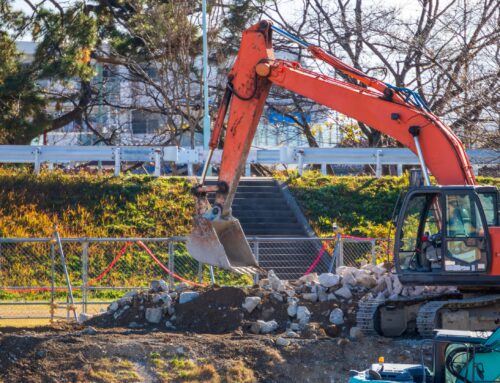
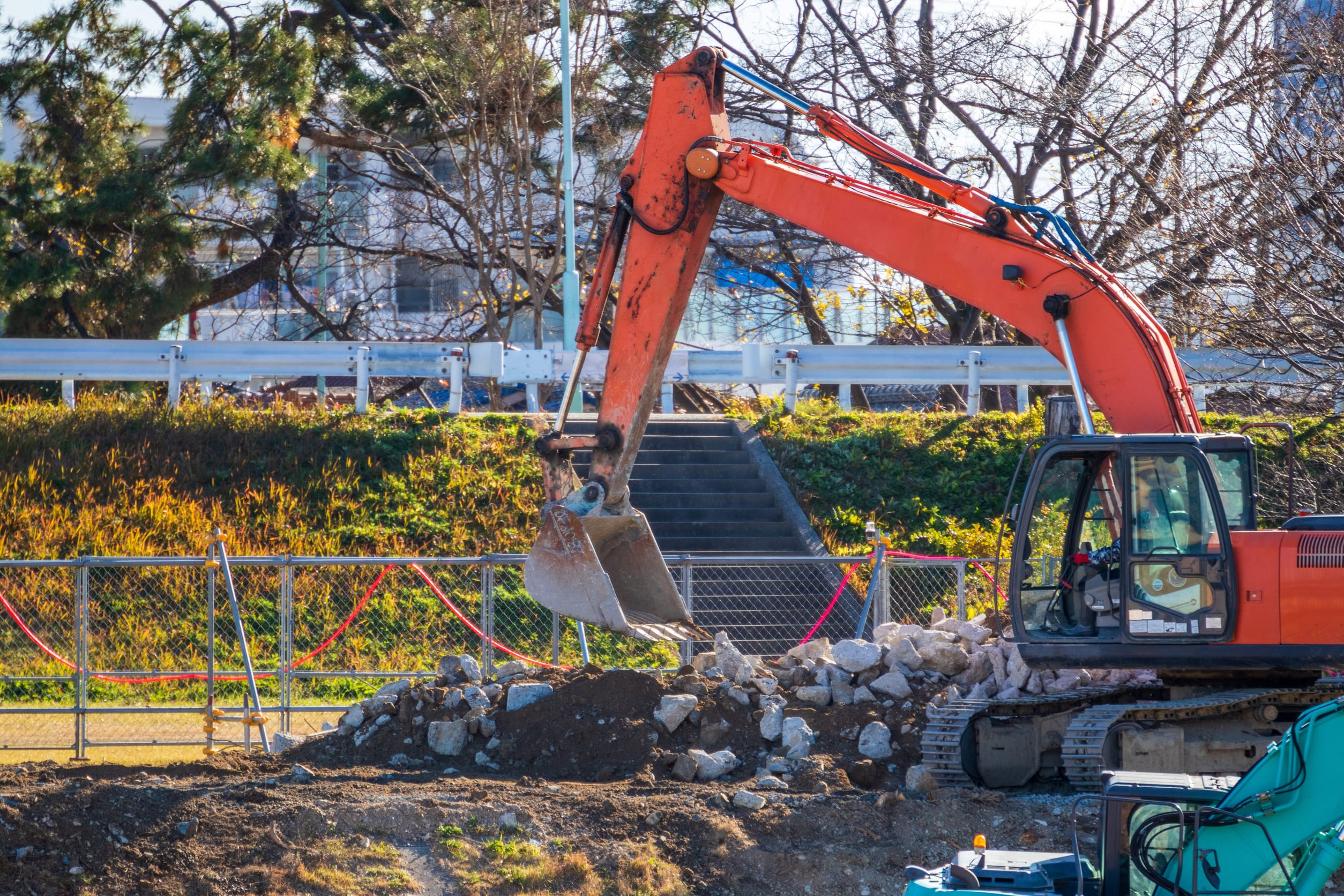
- The most direct method involves physically excavating contaminated material and transporting it to a licensed facility.
- Best suited to localised, high-concentration contamination.
- Involves careful soil classification, stockpiling, and legally compliant disposal.
- Documentation is produced for regulatory sign-off.
Bioremediation
- Uses naturally occurring microorganisms to break down organic contaminants.
- Can be done on-site by excavating and treating stockpiled soil, or simply treating the soil without excavation.
- A lower-impact, cost-effective option for certain types of contamination.
- It takes longer than physical removal, but leaves treated soil that can often be reused on site.
Chemical Treatment and Stabilisation
- Chemical oxidation involves injecting agents into the ground to break down pollutants.
- Stabilisation binds contaminants to reduce their mobility and associated risk, rather than removing them.
- Often used in combination with other methods.
Capping and Containment
- Rather than removing the contamination, a physical barrier, such as concrete, a synthetic liner, or clean soil, is used to cover it.
- This process is relevant where risk can be managed in place, particularly on commercial or industrial sites.
- Requires an ongoing Site Management Plan with regular reviews to maintain the containment system.
- A cost-effective solution for widespread, low-mobility contaminants.
Soil Washing
- The use of water or chemical solutions to physically separate contaminants from soil particles.
- Washing is used for heavy metals and hydrophobic compounds.
- The soil is treated in a controlled environment, and the extract is managed separately.
- A good option to reuse treated soil.
Thermal Treatment
- Contaminated soil is heated to vaporise volatile and semi-volatile compounds.
- The vapours are captured and treated before release.
- Normally utilised for heavily hydrocarbon-contaminated soil.
- One of the more energy-intensive methods, used where other approaches are not suitable.
Soil Remediation South Coast – The Step-by-Step Process
This section is your checklist, giving you a picture of what to expect from start to finish.
Site Assessment and Investigation
- A preliminary Investigation reviews the site history and land use records.
- A site inspection includes soil and groundwater sampling, laboratory analysis, and risk assessment.
- The goal is to define exactly which contaminants are present, where they are located, and how far they have spread.
- This stage produces the data needed to design an effective remediation plan.
Remedial Action Plan (RAP)
- A formal document that outlines the contamination problem, the clean-up objectives, and the chosen methods.
- Required under NSW planning law if development consent is involved.
- Sets the expectation for what “clean” means for this specific site and land use.
- The RAP is prepared by a qualified environmental consultant or contaminated land specialist.
Remediation Works
- On-site execution of the action plan: excavation, treatment, disposal, or containment.
- Works are managed to minimise any impact on the surrounding land, water systems, and neighbours.
- Waste materials are separated and sorted, then disposed of in accordance with EPA requirements.
- Documentation is kept throughout to support the validation stage.
Validation and Sign-Off
- Soil sampling and laboratory testing confirm that the expected, planned clean-up objectives have been met.
- A Validation Report is prepared and submitted to the relevant authority
- If the site is to be sold or developed, this report provides evidence that it is safe and compliant.
- Ongoing monitoring may be required for certain contamination types or containment scenarios
Our Soil Remediation South Coast Services
At South Coast Demolition, we are a trusted provider of soil remediation services. We provide South Coast Site Remediation across the South Coast of NSW, from Helensburgh to Ulladulla, including site assessment, contaminated soil excavation and removal, materials handling, and compliant disposal.
Our team has experience working across the region and understands local site conditions and current NSW regulatory requirements. Get in touch with any questions, to arrange a site visit, and to get your free quote.

Leave A Comment