
Commercial demolition is a highly regulated, technically demanding process that requires careful planning, the right equipment, and a thorough understanding of NSW legislation.
If you are redeveloping a warehouse, clearing a retail site for a new row of shops, or making way for a new commercial project, you need to ensure the demolition phase is done properly.
This article walks you through what commercial demolition South Coast involves, how the process works from start to finish, and what you need to do to prepare your site and meet your legal obligations.

What Is Commercial Demolition?
Commercial demolition means the removal of commercial buildings and structures.
These include warehouses, factories, office buildings, retail centres, and mixed-use developments. Commercial work normally includes larger and more complex sites than residential demolition.
Projects range from full structural demolition to selective deconstruction, in which only certain parts of a building are removed to allow renovation or redevelopment.
If you are redeveloping a warehouse, you need to do demolition correctly.
If you are clearing a retail site for new shops, you need to do demolition correctly.
If you are starting a new project, you need to do demolition correctly.
Commercial Demolition Services on the South Coast
The South Coast NSW region has seen steady growth in commercial development and redevelopment, driving demand for reliable, experienced demolition contractors.
Local commercial demolition services include
- The full structural demolition and removal of commercial and industrial buildings
- Partial, or selective, demolition for refurbishment and redevelopment projects
- Interior strip-outs, including removal of entire kitchens, bathrooms, flooring, ceilings, and partitions
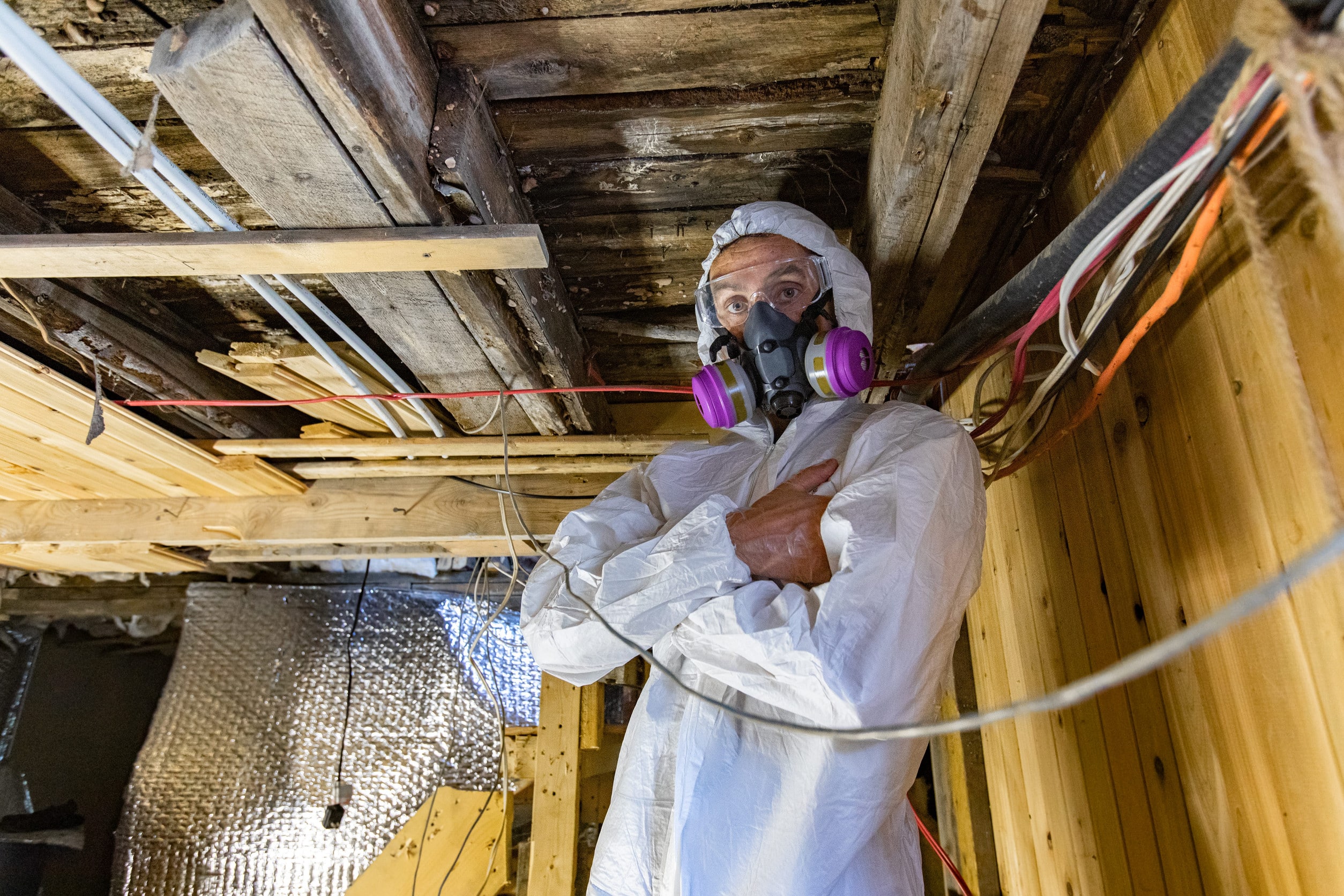
- Asbestos and other hazardous material identification, removal, and disposal in accordance with NSW regulations
Demolition South Coast NSW: Regional Requirements
There are local factors impacting Demolition South Coast NSW, including
- Submitting applications for a Development Application (DA) or Complying Development Certificate (CDC) requirements through the relevant local authority
- Regulations around the environmental impacts on coastal zones, waterways, and bushland areas
- Compliance with all relevant regulations, including the NSW Work Health and Safety Act
The Commercial Demolition Process: Step by Step
Commercial demolition follows a well-established process to ensure an efficient, safe project. Here is how the process typically works.
Site Assessment and Feasibility
The site inspection is an essential step. A professional contractor will identify risks and the appropriate methodology, enabling the preparation of the project budget and timeline.
Key activities include:
- Structural assessment of the building and surrounding ground conditions
- A hazardous materials survey covering asbestos, lead-based paint, PCBs, and other substances
- Identification of all utility services running onto the work site.
- Review of adjoining structures, shared walls, and boundary conditions
Planning, Permits, and Compliance
Once the site assessment is complete, the project moves into the planning and approvals phase.
- The principal contractor should prepare a Work Health and Safety Management Plan and a Waste Management Plan
- Approval, via a local authority DA or CDC, is normally required before a commercial demolition project may begin in NSW
- Your contractor should notify SafeWork NSW at least 5 working days before demolition work is planned to start
This phase is one of the most common causes of project delays. Approvals take time, and attempting to begin work without them can result in stop-work orders and significant penalties.
Demolition Phase
This is the physical work phase, where the structure is carefully and methodically brought down. The approach varies depending on the type of building, its location, and whether any materials are being salvaged.
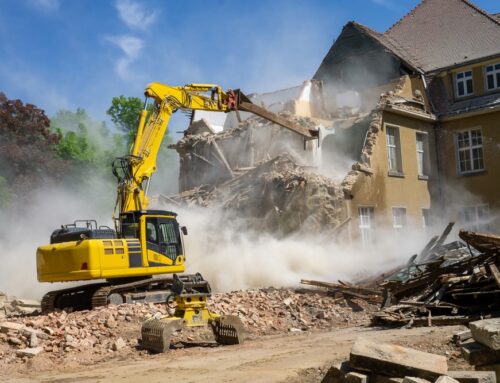
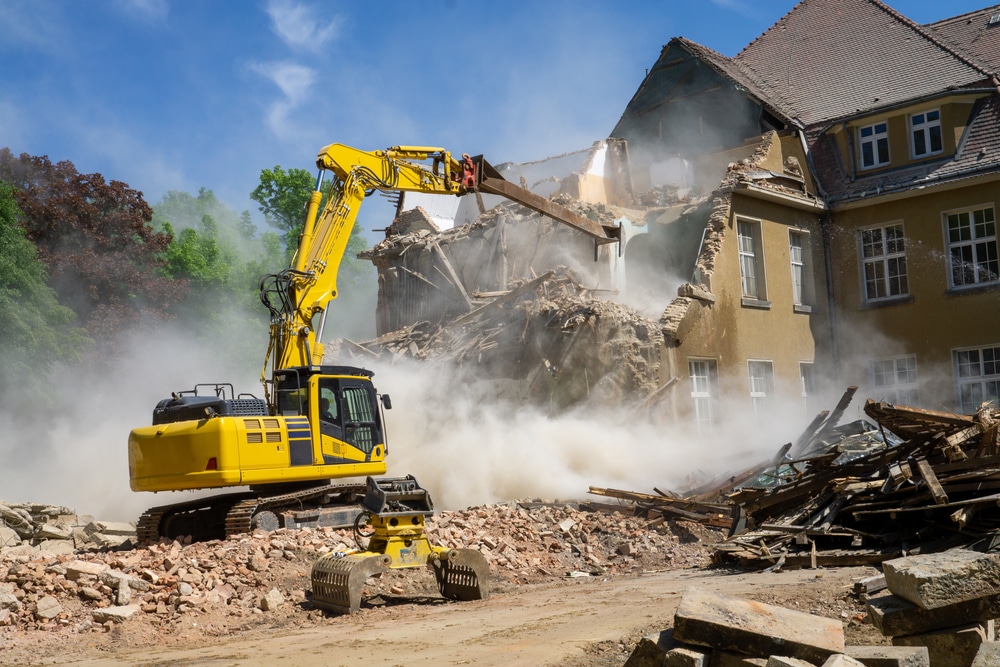
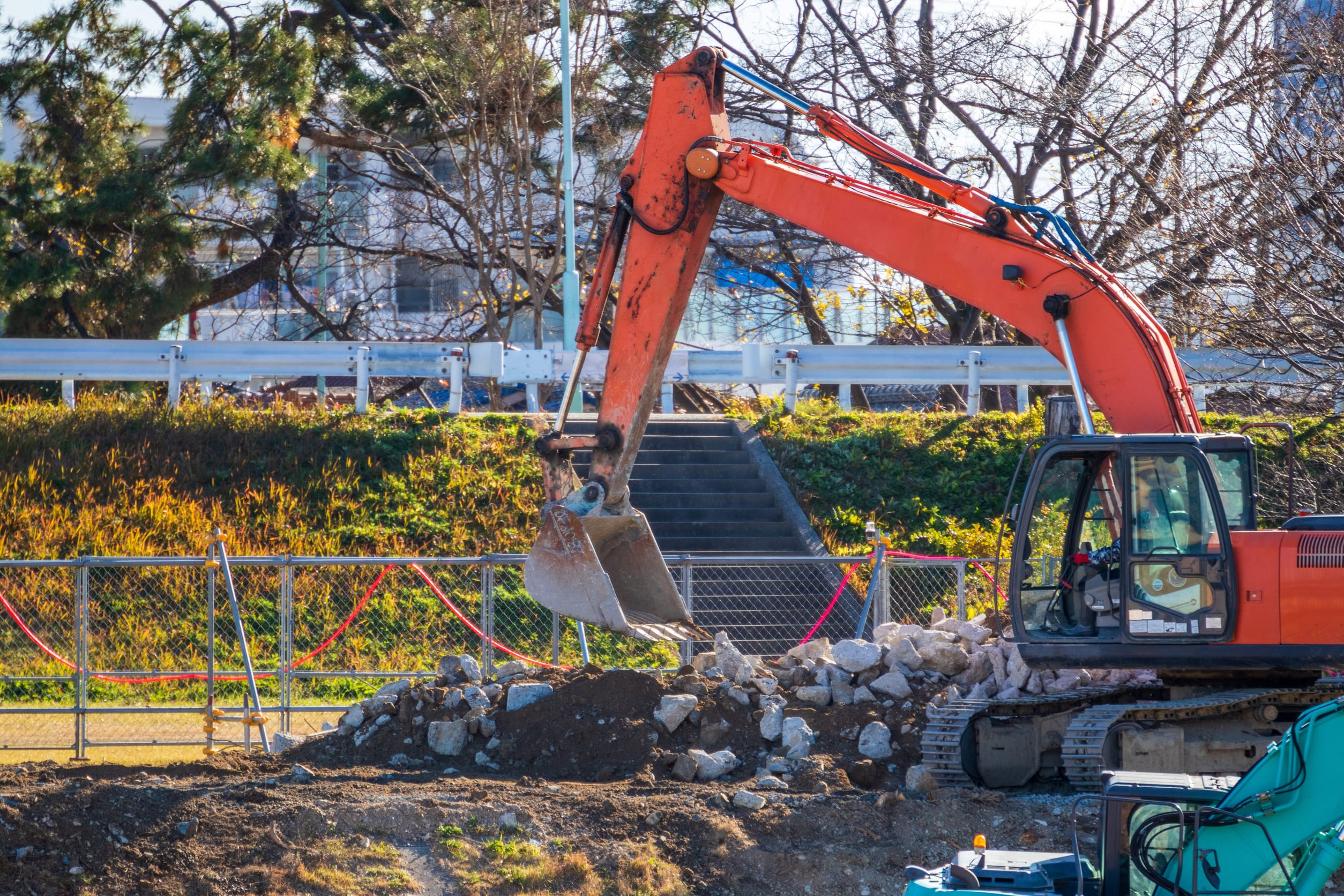
- Mechanical demolition, with excavators fitted with specialist demolition attachments, is the most common method for commercial structures
- Selective deconstruction is used where materials such as structural steel, timber, or brickwork are being salvaged for reuse
- Staged demolition may be necessary where the site is partially occupied, or where demolition is occurring adjacent to operational buildings
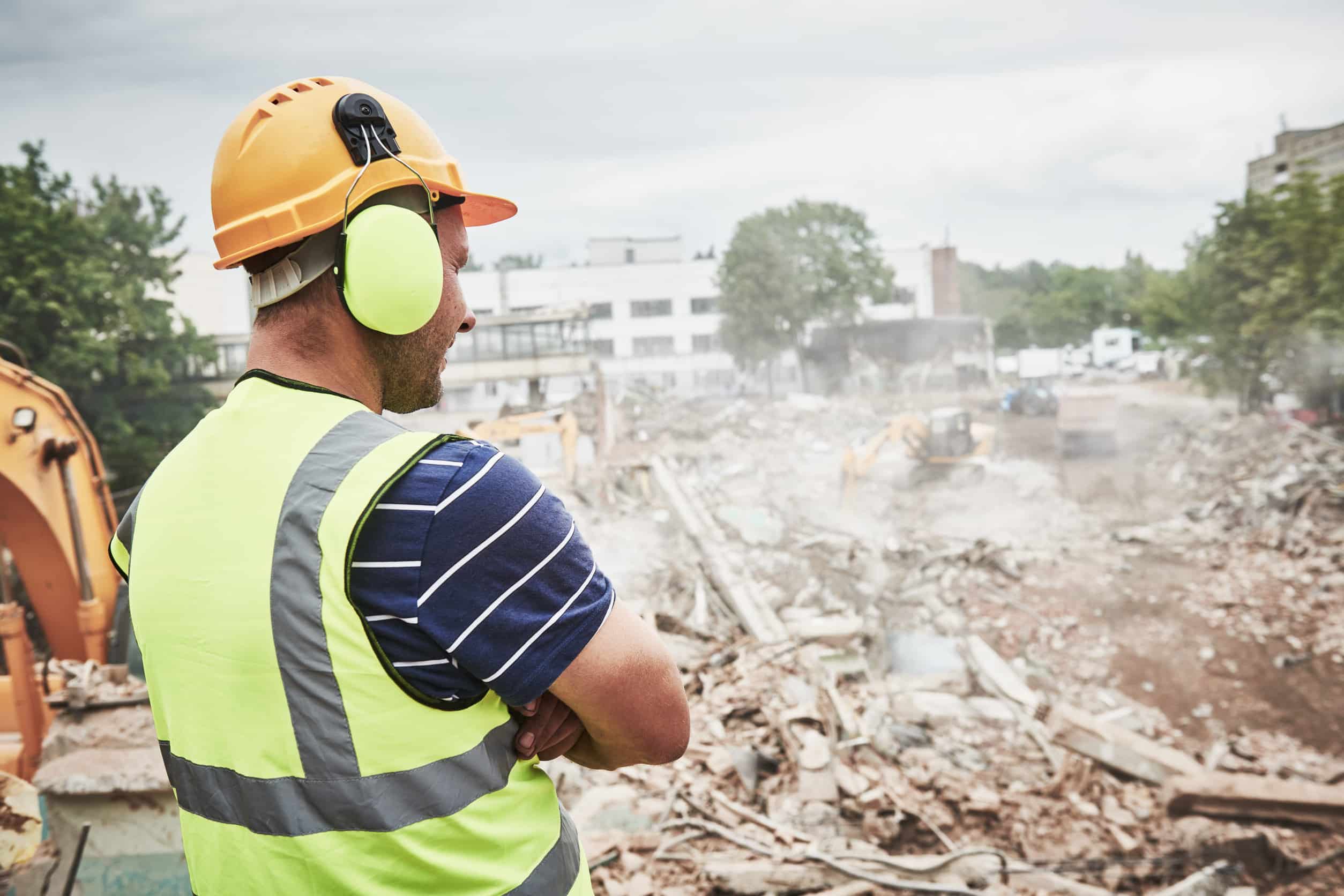
- Throughout the work, dust suppression systems, site hoarding, and exclusion zones are maintained to protect workers and the public
Site Clearance and Waste Management
Once the structure has been demolished, the site must be cleared
- Waste materials are sorted and separated on-site
- Concrete is typically crushed and recycled as base material for roads or construction fill
- Structural steel is sent to metal recycling facilities
- Hazardous materials, including asbestos-containing materials, are removed and transported to licensed disposal facilities
- A final site inspection confirms that all materials have been cleared and the site is ready for the next phase of work
How to Prepare for Commercial Demolition
The more organised you are before the demolition contractors arrive on site, the fewer delays and complications you are likely to face.
Getting Your Site Ready
Once a contractor has been appointed, there are practical steps you need to take before work can begin:
- Arrange for the disconnection of all utility services with their providers, well in advance of the start date
- Remove all plant, equipment, furniture, and stored goods from the building, or the relevant section of the building
- Notify tenants, neighbouring businesses, and any other relevant parties about the upcoming work, plus expected working times
- Secure the site perimeter
- If the building was constructed before 1990, commission an independent asbestos inspection before any work is carried out
Your Obligations as a Property Owner
As a property owner, you carry legal responsibility for ensuring that demolition on your site is carried out in compliance with NSW law. The demolition contractor manages the day-to-day work, but your obligations do not disappear once you hand over the keys.
- Failure to obtain the correct approvals can result in significant fines and project stoppages
- Before any demolition work can begin, all hazardous materials must be removed and disposed of by a licensed professional. Attempting to manage this independently is both illegal and dangerous
- Keep records of all approvals, permits, waste disposal certificates, and site inspection reports throughout the project
Ready to Plan Your Commercial Demolition on the South Coast?
At South Coast Demolition, we have extensive experience delivering commercial demolition projects across the South Coast NSW region. Our team brings the technical knowledge, licensing, and local expertise to manage your project from initial assessment through to final site clearance, safely, efficiently, and in full compliance with NSW regulations.
As the trusted local experts, we:
- Understand the specific permit and approval requirements of your local council
- Have established relationships with utility providers to manage disconnections efficiently
- Know how to identify and manage hazardous materials correctly and legally
- Have the right equipment and methodology for your specific structure
To find out more about our commercial demolition services or to request a quote, visit the South Coast Demolition commercial demolition page.

Leave A Comment