

If you are dealing with old sheeting, the good news is that bonded asbestos can often be removed safely when the right process is followed.
In this article, we explain the health risks, NSW rules, permits, safety equipment, and how to manage asbestos disposal south coast, and the questions most homeowners, property managers, and builders ask before starting work.
Keep reading to understand the best, safest way for bonded asbestos removal NSW.
What is bonded asbestos?
Bonded asbestos is asbestos that has been mixed into a hard material, usually cement or another binding product. It is also called non-friable asbestos, and it is commonly found in older roof sheets, wall cladding, eaves, fencing, pipes, and sheds.
How is bonded asbestos different from friable asbestos?
Bonded asbestos stays in a solid form unless it is damaged, broken, cut, drilled, or weathered badly. Friable asbestos is loose or powdery, which makes it far more dangerous because fibres can spread more easily into the air.
Where is bonded asbestos often found?
Bonded asbestos is often found in:
- Older fibro walls and ceilings.
- External cladding and fencing.
- Shed walls and roofing.
- Eaves, gables, and flue pipes.
- Garages, laundries, and outbuildings.
Can I remove bonded asbestos from my house in NSW?
You may be allowed to remove a small amount of bonded asbestos in NSW, but the work still has to be done with care. SafeWork NSW says a licensed asbestos professional must be used when more than 10 square metres is involved, and it also recommends using a licensed professional for any amount because of the risks involved.
What is the 10 square metre rule?
In NSW, the usual threshold is 10 square metres of non-friable, or bonded, asbestos. Once the work goes beyond that amount, licensed asbestos removal is required.
Why is professional removal still the safer choice?
Even bonded asbestos can release fibres when it is disturbed. A licensed team knows how to isolate the area, remove the material without breaking it up, and dispose of it properly.
What are the health risks for my family, visitors, and neighbours?
The main risk is inhaling asbestos fibres. These fibres are not always visible, and they can remain in the air or on surfaces after damaged material has been cut, drilled, smashed, or swept the wrong way.
Who can be exposed?
Exposure can affect:
- Family members living in the home.
- Children and visitors who spend time in the area.
- Neighbours if dust escapes beyond the property boundary.
- Tradespeople, cleaners, and maintenance workers.
- People handling waste during transport or disposal.
What makes the risk worse?
The risk increases when people:
- Break sheets instead of removing them whole.
- Use power tools on asbestos material.
- Dry sweep dust and debris.
- Store waste without proper wrapping.
- Leave damaged material exposed to wind or weather.
What do NSW regulations say about removal and disposal?
NSW asbestos work is governed by SafeWork NSW rules, and disposal must follow approved waste handling requirements. Household asbestos waste must go to a landfill that is licensed to accept it, and local facilities often require you to call ahead before delivery.
What do I need to know about disposal rules?
Before disposal, asbestos waste must be:
- Wet down where required.
- Wrapped in thick plastic or double wrapped.
- Fully sealed with tape.
- Clearly labelled as asbestos waste.
- Taken to a licensed disposal facility.
Do I need permits or approvals?
For many bonded asbestos jobs, the key issue is not a council permit in the usual sense, but whether the work requires a licensed removalist and whether the landfill or waste facility needs a booking. Commercial sites, larger jobs, and managed properties may also need internal approvals, tenant notice, or contractor scheduling before the work begins.
When should approvals be checked first?
Check approvals before work starts if:
- The area is larger than 10 square metres.
- The property is rented or managed.
- The work is part of a renovation or demolition job.
- Waste needs to cross council or site boundaries.
- The removal will affect neighbours, tenants, or other contractors.
What equipment is required for safe removal?
Safe asbestos work relies on the right protective gear, containment materials, and disposal supplies. The aim is to stop fibres spreading, keep the area controlled, and move waste without damage.
What equipment is usually used?
Typical equipment includes:
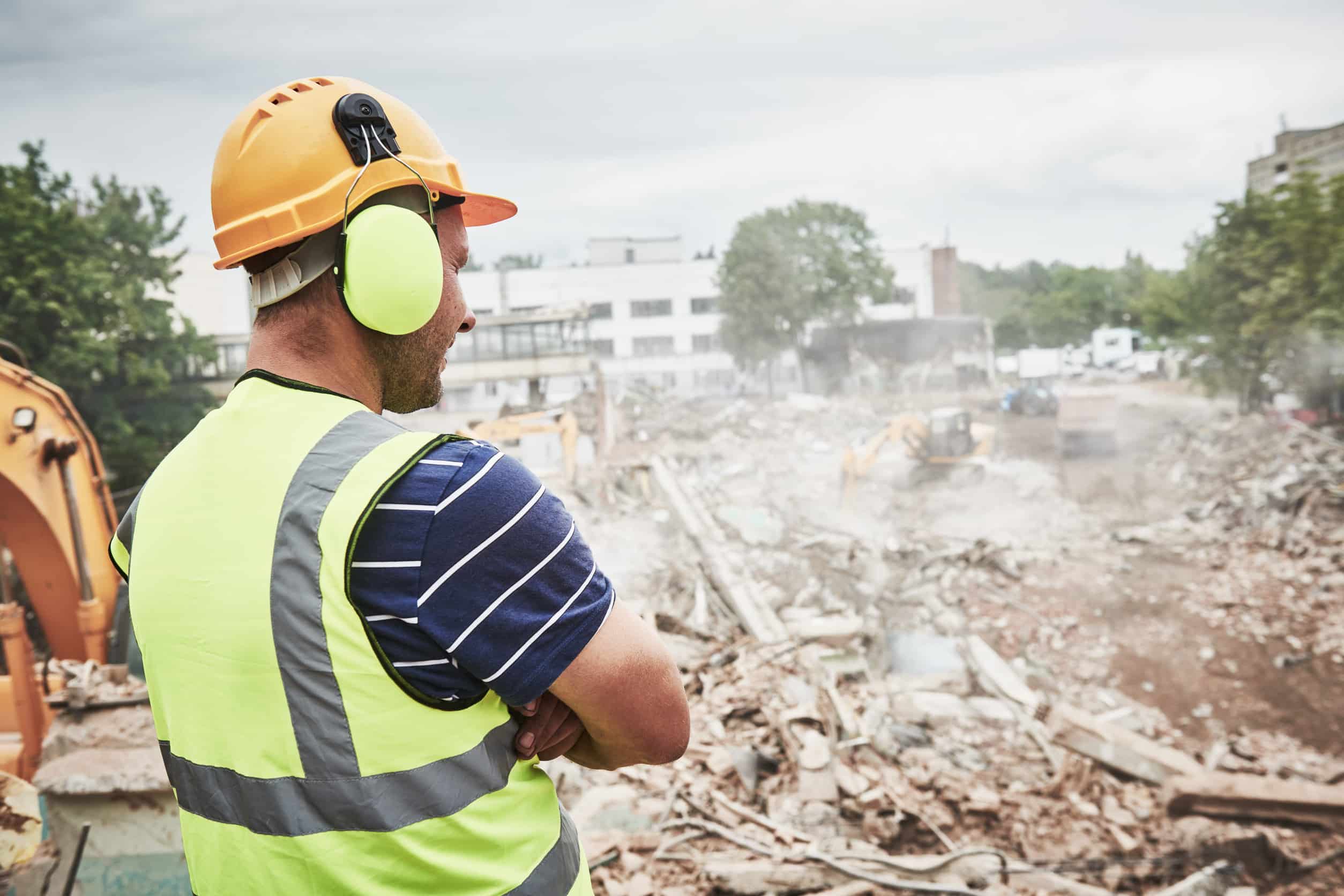
- Disposable coveralls.
- Correct respiratory protection.
- Gloves and suitable footwear.
- Plastic sheeting and tape.
- Spray equipment for wetting the material.
- Heavy-duty asbestos waste bags or wrap.
- Warning labels.
- HEPA-rated cleanup equipment where appropriate.
Why does the equipment matter?
Good equipment helps keep the sheet intact, keeps dust down, and makes sure the waste can be sealed before it is moved. Without those controls, the chance of contamination rises quickly.
How is bonded asbestos disposed of properly?
The disposal process should be handled as a controlled sequence, not as a quick trip to the tip. If the material is not wrapped, sealed, and taken to a licensed facility, it can create a health and compliance problem for everyone involved.
Licensed facilities are set up to accept asbestos waste safely and keep it out of normal waste streams. This protects waste handlers, site staff, and the wider community from unnecessary exposure.
FAQs about bonded asbestos removal
Can I remove a small amount myself?
In some cases, small amounts may be removed by a homeowner, but SafeWork NSW still recommends using a licensed professional because the risks are easy to underestimate.
How do I know if it is bonded asbestos?
You usually cannot confirm it by sight alone. Testing or professional inspection is the safest way to identify asbestos-containing material.
Where can I take asbestos waste?
You can only take it to a landfill or waste facility that is licensed to accept asbestos waste, and many sites require you to phone ahead first.
Is it safe to live in the house during removal?
It may be possible, depending on the size and location of the work, but the area must be controlled and kept separate from people who are not involved in the removal. This is one reason licensed removal is strongly preferred.
How long does the process take?
Small jobs may be completed in a day, while larger or more complex sites take longer because of containment, removal, cleanup, and disposal requirements.
Need bonded asbestos removal done properly?
At South Coast Demolition, we know the risks faced by families, neighbours, tenants, and sites across the south coast of NSW when asbestos remains in a home.
To ensure bonded asbestos removal NSW safely and in line with local requirements, contact us to arrange a proper assessment by a proper licensed asbestos removalist NSW.

Leave A Comment