
When you have an unwanted, unused swimming pool, it can become a significant liability. We realise the decision to go for South Coast swimming pool removal can be difficult, and this article outlines your options and the removal process.
We examine removal options for various pool types and suggest ways to reuse the extra backyard space. We cover local council requirements and cover the entire process for South Coast pool removal, so you know what to expect.
Why Homeowners Choose Swimming Pool Removal South Coast
Many South Coast homeowners are opting for swimming pool removal for a variety of reasons.
A major annoyance for those who no longer use their pool, often when the children have grown up, is the ongoing maintenance required to keep it, including rising chemical and electricity costs for pumps and heaters.
Safety concerns are another big factor, especially when there are very young or very old family members potentially at risk of drowning.
Other considerations include:
- Growing costs for maintenance. They can exceed thousands of dollars per year
- Damaged pools, with cracks or leaks, create water damage risks
- Unwanted and unused pools can attract pests and mosquitoes
- Compliance with local authority requirements regarding Pool fencing and safety measures often involves additional expense
What You Can Do With Reclaimed Pool Space
After your South Coast pool removal project is complete, you will have extra space in your backyard and, even better, you’ll have more time to use and enjoy it, with no pool to maintain.
Some ideas for your property:
- Install a patio or decking, with an outdoor kitchen, for outdoor suppers all summer
- Keen chefs or gardeners would make the most of a vegetable garden to grow their own food
- Have an outdoor entertainment area with a fire pit
- Build a granny flat or studio for guests, extra rooms or a rental income
- The simple option: plant a lawn, create space for children or pets to run around
Understanding Different Pool Types and Removal Methods
The demolition approach your contractor uses will depend on the type and construction method of your swimming pool. The likely timescale and cost implications also vary from pool to pool.
Concrete Pool Demolition
The most common type of pool along the South Coast. Expect swimming pool demolition and removal to take several days due to the structure’s strength.
- Concrete pool demolition requires the use of heavy machinery, such as jackhammers and excavators
- All concrete and any framework are completely removed to prevent future subsidence issues
- The concrete is broken into manageable pieces and may be crushed and recycled as fill.
Fibreglass Pool Removal
- Removal of a lighter fibreglass swimming pool is faster than concrete demolition.
- The shell is cut into sections to facilitate extraction.
- In NSW, fibreglass must be disposed of at licensed waste management facilities.
- This process is less disruptive to the surrounding landscape.
Vinyl Liner Pool Dismantling
- Vinyl-lined pools are not commonly installed in NSW, but they remain in older properties.
- The liner is removed, sometimes whole, using a crane.
- The soft bottom is broken up and hauled away with the supporting structure.
- Decking surrounding the pool may be used as fill material.
Council Permits and Legal Requirements for Pool Removal
Local authority legal requirements vary along the South Coast. Always ask whether your pool removal requires a permit or approval before work starts, rather than risk non-compliance and potential fines.
When You Need Council Approval
- In-ground pools almost always require approval to remove.
- Generally, if you needed a permit when you constructed a pool, you will need approval for its removal.
- Timescales range from 2 to 10 weeks, depending on project complexity.
Above-Ground Pool Removal Exemptions
- Portable, temporary pools may not require approval to remove.
- Regardless of approvals, always notify your local council, so they can update the Pool Register.
- You may need to provide before-and-after photographs.
The Swimming Pool Removal Process Step-by-Step
Although the removal approach varies, the general steps for a pool removal are the same for most projects. This section will help you understand what is happening at each phase.
Initial Site Assessment and Preparation
- The site inspection is primarily to assess the pool type and determine the best removal method.
- Site access is also assessed to determine whether any necessary equipment, such as an excavator or trucks, will have difficulty accessing the site.
- Underground services and utilities are identified, labelled, or mapped.
- A decision is made on whether to consult or notify neighbours.
Draining and Demolition
- The pool is drained in compliance with all applicable environmental regulations.
- Pipes, plumbing and cables are removed.
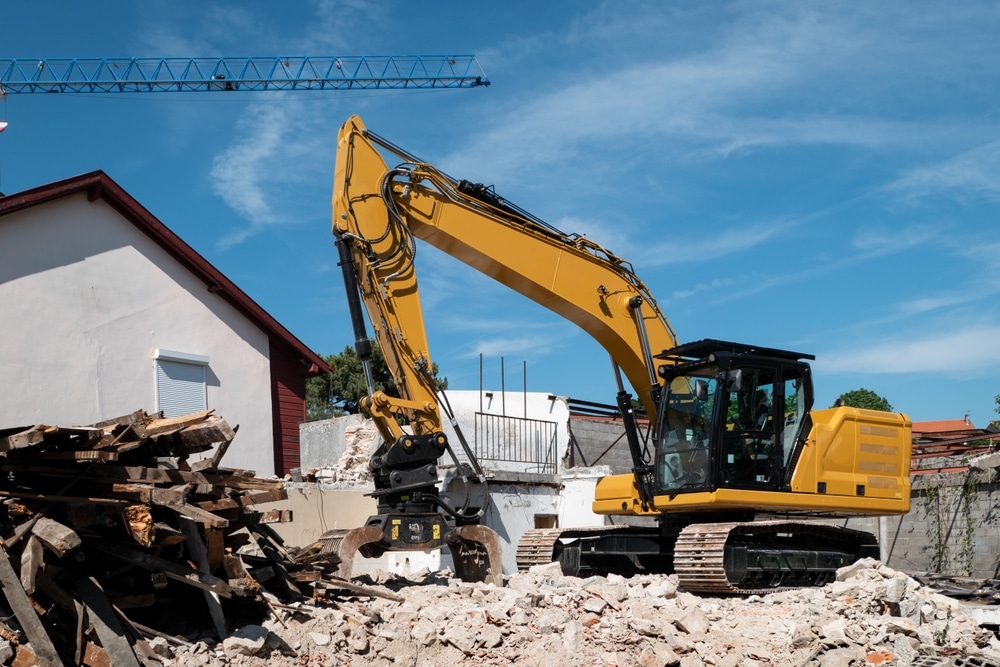
- Any concrete is broken up, normally using machinery such as jackhammers, excavators or bobcats.
- Debris is sorted for recycling or disposal.
Filling, Compacting, and Site Restoration
- Clean fill is used in the now-empty space and is compacted in layers of approximately 30cm each.
- The compaction process is important to prevent future soil settlement.
- The surface is levelled and prepared for landscaping or construction.
Ready to Reclaim Your Backyard?
Now that you understand some of the methods used and the phases of the process, have you decided to opt for South Coast swimming pool removal and gain extra valuable space on your block?
At South Coast Demolition, we are the trusted local experts, covering the entire South Coast region, from Helensburgh to Ulladulla. We suggest you visit our Pool Removal webpage to discover more about our comprehensive service.
Contact us today with your plans and to ask any questions. We will arrange a site visit to prepare your free quote.





Leave A Comment